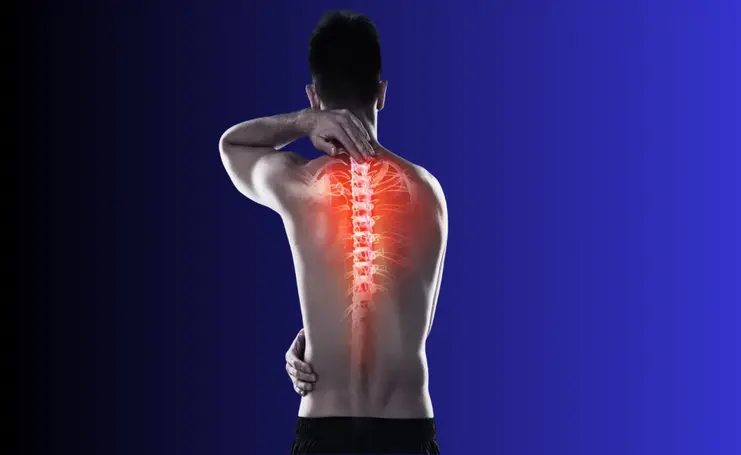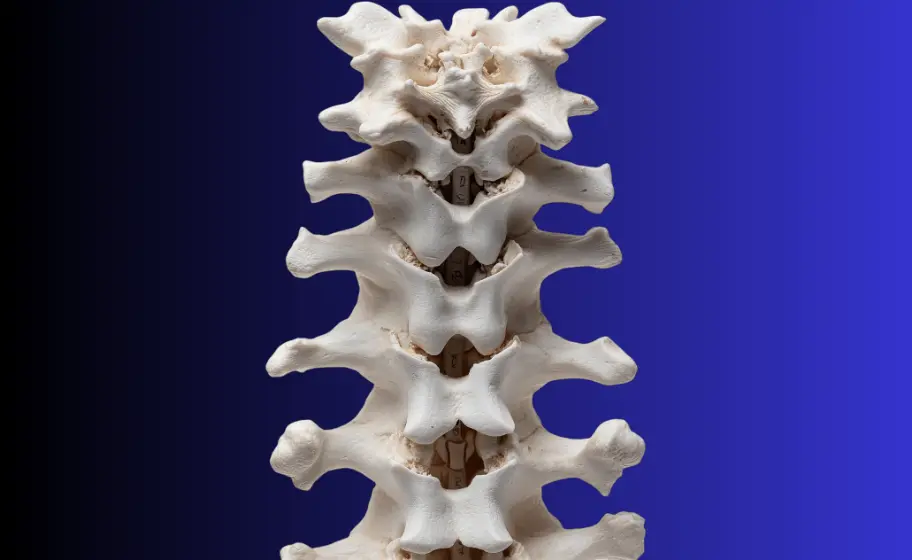
Kyphoplasty and vertebroplasty are minimally invasive techniques used to treat vertebral body fractures, most commonly caused by osteoporosis or metastatic disease. Both procedures involve the injection of bone cement into the affected vertebral body, which frequently results in rapid pain relief and mechanical stabilization.
These interventions are part of interventional spine surgery and are typically considered in patients with painful vertebral compression fractures who do not achieve sufficient improvement with conservative management.
Principle of Vertebroplasty
In vertebroplasty, bone cement is injected directly into the fractured vertebral body under image guidance. The cement stabilizes the microfractures within the cancellous bone structure and reduces pathological motion at the fracture site. This mechanical stabilization is commonly associated with a reduction in pain.
The primary objective of vertebroplasty is structural reinforcement of the weakened vertebral body without active height restoration.
Principle of Kyphoplasty
Kyphoplasty extends the concept of vertebroplasty by incorporating vertebral height restoration prior to cement injection. A balloon catheter is inserted into the collapsed vertebral body and inflated with contrast medium under controlled high pressure. This maneuver creates a cavity and may partially re-expand the compressed vertebra.
After balloon removal, the resulting cavity is filled with a specially prepared, viscous bone cement using low injection pressure. Compared with some other vertebral cement augmentation techniques, kyphoplasty is considered to have a favorable safety profile, as the more viscous cement consistency and controlled delivery reduce the risk of cement leakage.
By restoring vertebral height, kyphoplasty may help prevent progressive kyphotic deformity (“hunchback” formation), which can otherwise result from untreated vertebral collapse.
Not sure about your diagnosis?
A medical second opinion from leading German doctors can provide clarity and confidence.
Request a Second OpinionApplication in Osteoporotic and Metastatic Fractures
Both vertebroplasty and kyphoplasty are established in the treatment of osteoporotic vertebral fractures and fractures associated with metastatic disease. In these settings, stabilization aims to alleviate pain and support spinal alignment.
Patient selection depends on fracture morphology, degree of vertebral collapse, neurological status, and overall clinical condition. Careful radiological assessment is required before proceeding with cement augmentation.
Use of Calcium Phosphate Cement in Younger Patients
Historically, kyphoplasty was primarily performed in elderly patients because polymethylmethacrylate (PMMA) cement was the standard material available. The long-term biological integration of PMMA within the vertebral body remains incompletely clarified. Current knowledge suggests that PMMA cement remains largely inert and does not become biologically incorporated into bone tissue.
The development of injectable, resorbable calcium phosphate cement has expanded the therapeutic spectrum. This material allows stabilization and height restoration not only in osteoporotic fractures but also in traumatic vertebral fractures in younger patients.
Biomechanical studies have not demonstrated significant differences in load-bearing capacity between calcium phosphate cement and PMMA. Calcium phosphate cements are synthetic, biocompatible, and biodegradable bone substitute materials. They belong to the group of osteoconductive bone replacement materials.
The microcrystalline structure of hardened calcium phosphate cement corresponds chemically to the calcium phosphate component of natural bone—specifically carbonated, calcium-deficient hydroxyapatite. A potential advantage of calcium phosphate cement lies in its gradual biological conversion into bone tissue over time. This property may be particularly relevant in younger patients, where long-term structural integration is desirable.
Extended Indications and Combined Stabilization Techniques
The use of calcium phosphate cement in kyphoplasty represents a meaningful extension of the method’s indications. It may also be applied in combination with posterior spinal instrumentation in more complex fractures to reduce the risk of secondary vertebral collapse.
In cases requiring long-segment spinal fixation or stabilization, cement augmentation of osteoporotic vertebrae in combination with pedicle screw implantation can enhance construct stability. Augmented pedicle screws demonstrate improved anchorage compared with non-augmented screws, reducing the risk of implant loosening or structural failure in weakened bone.
Clinical Considerations for International Patients
For patients considering vertebral cement augmentation within structured healthcare systems, it is important to understand that kyphoplasty and vertebroplasty are not curative treatments for osteoporosis or malignancy. Rather, they are mechanical stabilization procedures intended to reduce fracture-related pain and support spinal alignment.
The choice between vertebroplasty, kyphoplasty, and combined stabilization techniques depends on fracture type, bone quality, patient age, and overall therapeutic goals. Careful multidisciplinary evaluation remains essential in determining the most appropriate treatment strategy.
When properly indicated, vertebral augmentation can form an integral component of comprehensive fracture management in both osteoporotic and selected traumatic spinal conditions.
Sources:
- International Spine Center Berlin – “Prof. Dr. Christian Woiciechowsky” – https://www.kreuzschmerzen.org/behandlungsmethoden/minimalinvasive-techniken/kyphoplastie-vertebroplastie.html