Spinal Cord Stimulation for Pain Management
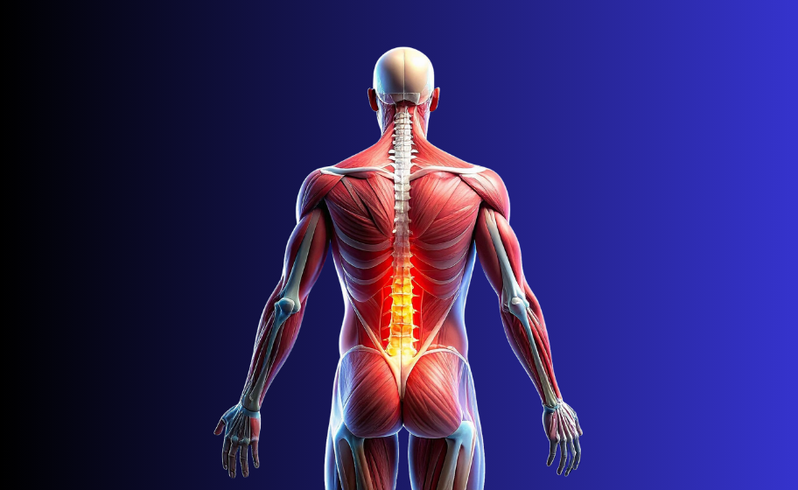
Spinal cord stimulation (SCS) is an established interventional therapy for the management of chronic pain. The procedure involves the implantation of a pulse generator beneath the abdominal skin, which delivers mild electrical impulses through one or two electrodes positioned near the posterior aspect of the spinal cord covering (dorsal region). These electrical signals modulate pain transmission pathways. Instead of perceiving pain, the patient typically experiences a mild tingling sensation in the corresponding body region.
The therapeutic effect of spinal cord stimulation is evaluated in a defined test phase before permanent implantation of the stimulator is considered. This staged approach allows careful assessment of individual suitability and response.
Mechanism of Action and Clinical Indications
Spinal cord stimulation is designed to interfere with the transmission of pain signals within the central nervous system. By applying controlled electrical impulses to the dorsal columns, nociceptive signaling can be functionally modulated. The therapy does not eliminate the underlying structural cause of pain but aims to reduce pain perception and improve functional capacity.
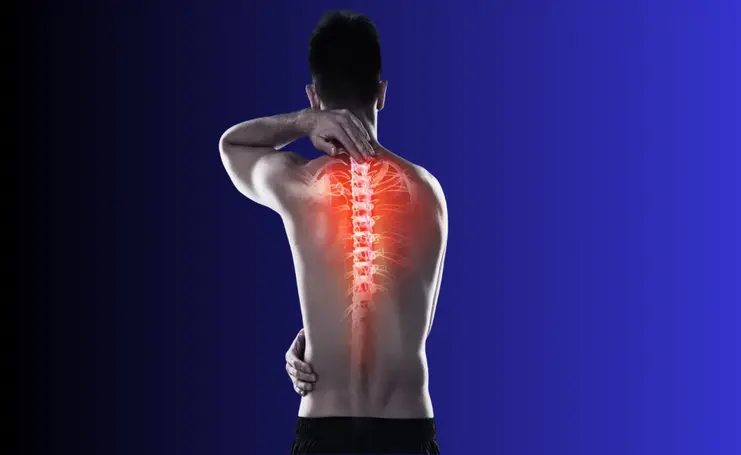
SCS is generally used in patients with chronic, therapy-resistant back and extremity pain. Frequently, these are individuals who have previously undergone surgery for disc herniation or other spinal deformities without achieving satisfactory pain control. In many cases, comprehensive conservative treatment—including medication, physiotherapy, and interventional pain procedures—has already been attempted without sufficient success.
Beyond spinal conditions, spinal cord stimulation may also be considered in selected cases of peripheral vascular insufficiency affecting the lower limbs or refractory angina pectoris. Suitability for this therapy must be carefully evaluated by the treating physician on an individual basis, and therapeutic benefit must be confirmed during the test stimulation phase.
Not sure about your diagnosis?
A medical second opinion from leading German doctors can provide clarity and confidence.
Request a Second OpinionTechnical Development of Spinal Cord Stimulators
Spinal cord stimulation therapy was introduced in the 1970s. Modern stimulation devices have undergone significant technical refinement and are now approximately the size of a wristwatch. Contemporary systems are equipped with advanced programming capabilities.
Earlier generations of stimulators operated on fixed stimulation parameters. Patients were required to manually adjust settings during changes in posture or physical activity. Current devices may incorporate motion sensors that automatically adapt stimulation intensity to body position and movement. This technological advancement enhances comfort and supports more consistent pain modulation during daily activities.
These developments aim to improve patient usability and functional integration into everyday life. Nevertheless, clinical benefit varies and must be individually assessed.
Types of Neurostimulation: SCS and Peripheral Neurostimulation
In classical spinal cord stimulation, electrodes are positioned adjacent to the dorsal surface of the spinal cord. This approach is particularly suitable for radicular pain syndromes, such as persistent leg pain following disc herniation or spinal surgery.
In contrast, peripheral nerve stimulation involves placement of electrodes subcutaneously in the region of pain rather than near the spinal cord. This modality has shown clinical usefulness particularly in non-specific low back pain.
The selection between spinal cord stimulation and peripheral neurostimulation depends on the pain pattern, anatomical findings, prior treatments, and overall clinical evaluation. A thorough diagnostic assessment and test stimulation phase remain essential before permanent device implantation is undertaken.
Considerations for International Patients
For patients seeking structured, evidence-based chronic pain management within regulated healthcare systems, spinal cord stimulation represents a therapeutic option in cases of persistent, treatment-resistant pain. It is not a first-line therapy and is typically considered after conservative and, where indicated, surgical measures have been exhausted.
The decision to proceed with spinal cord stimulation requires comprehensive evaluation of diagnosis, prior treatment history, psychological suitability, and expected functional goals. Careful patient selection and test phase verification are central to responsible clinical practice.
Spinal cord stimulation does not cure structural spinal disease but may provide meaningful symptom relief in appropriately selected individuals with chronic neuropathic pain.
Sources:
- International Spine Center Berlin – “Prof. Dr. Christian Woiciechowsky” – https://www.kreuzschmerzen.org/behandlungsmethoden/minimalinvasive-techniken/schmerzstimulator.html