SuperPath® is an innovative approach to hip joint replacement that aims to minimize tissue damage, reduce rehabilitation time, and improve patient quality of life. This method is specifically designed for individuals suffering from advanced osteoarthritis, traumatic injuries, or other conditions requiring total hip arthroplasty. The primary objective of SuperPath® is to offer a minimally invasive and highly effective method for restoring joint mobility.
What is SuperPath®?
SuperPath® is a minimally invasive surgical technique for hip replacement that allows the procedure to be performed without cutting muscles, tendons, or the joint capsule. Unlike traditional hip replacement techniques, SuperPath® takes advantage of the body’s natural muscular intervals to access the hip joint. This results in less trauma to surrounding tissues and contributes to faster recovery.
Key features of SuperPath® include:
-
A small skin incision (typically 3–5 cm).
-
Preservation of the joint capsule.
-
Elimination of joint dislocation during surgery.
-
Use of specially designed implants adapted to this technique.
Not sure about your diagnosis?
A medical second opinion from leading German doctors can provide clarity and confidence.
Request a Second OpinionHow is a SuperPath® procedure performed?
The SuperPath® surgery consists of several stages that ensure precision and safety:
-
Preoperative preparation: A thorough diagnostic work-up, including X-rays or CT scans, is conducted to assess joint condition and determine the most suitable implant.
-
Surgical procedure: Through a small skin incision, the surgeon accesses the joint via natural muscle planes. The joint capsule is preserved, and the implant is inserted without dislocating the hip.
-
Postoperative rehabilitation: In many cases, patients are encouraged to stand and walk on the same day of surgery, significantly accelerating the rehabilitation process.
This innovative method typically results in less pain, faster recovery of mobility, and shorter hospital stays for patients.
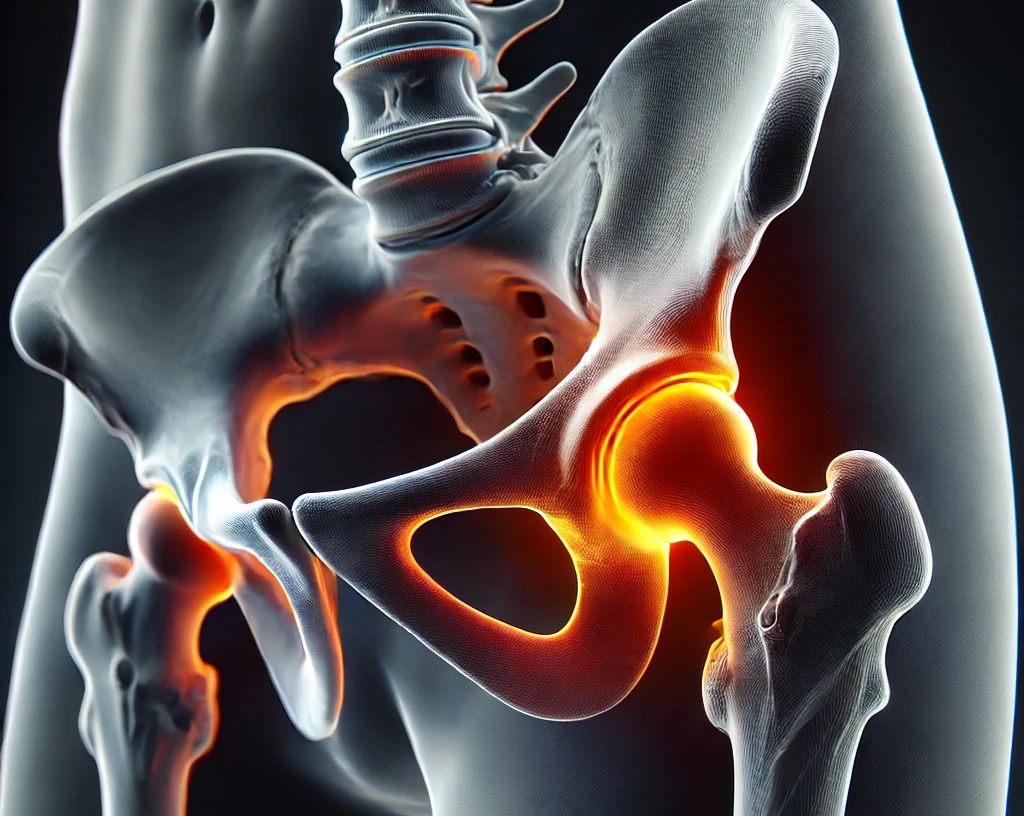
The History Behind SuperPath®
The SuperPath® technique was developed in the early 2000s, building upon earlier minimally invasive methods such as SuperCap® and PATH®. Initially introduced in the United States, SuperPath® quickly gained recognition for its clinical effectiveness and patient-centered approach. Today, the technique is employed in leading hospitals across Germany and internationally, representing a modern standard in orthopedic surgery.
How does SuperPath® compare to traditional hip replacement surgery?
The SuperPath® technique offers several advantages over conventional hip replacement methods:
-
Minimally invasive access: Muscle and joint capsule preservation significantly reduces surgical trauma.
-
Faster rehabilitation: Patients often regain mobility and begin walking within hours of surgery.
-
Lower risk of complications: Smaller incisions help reduce blood loss and infection risk.
-
More natural joint function: Preservation of soft tissue structures allows for more physiologic joint mechanics.
-
Suitable for a broad range of patients: The technique is also effective in individuals with obesity or complex joint deformities.
In contrast to traditional total hip replacement, which frequently involves cutting muscles and tendons, SuperPath® provides a less invasive pathway to recovery with improved implant stability.
Risks and Complications of SuperPath®
As with any surgical procedure, SuperPath® carries certain risks, although they tend to be significantly lower compared to standard approaches. Potential complications include:
-
Infection risk: Reduced due to small incisions and strict adherence to sterile technique.
-
Subluxation or dislocation of the implant: Extremely rare due to preserved joint capsule integrity.
-
Allergic reactions to implant materials: Uncommon, as modern implants are highly biocompatible and rigorously tested.
-
Short-term postoperative pain: Often occurs as the body adjusts to the new implant but typically subsides quickly.
Due to its benefits and lower complication profile, SuperPath® is increasingly seen as the preferred choice for eligible patients seeking a less invasive, faster, and more natural path to hip joint recovery.
Sources:
- DePuy Synthes (Johnson & Johnson) — SuperPath® Hip Replacement Surgical Technique and Clinical Overview (updated 2024) — www.jnjmedtech.com
- American Academy of Orthopaedic Surgeons (AAOS) — Advances in Minimally Invasive Hip Arthroplasty (2024) — www.aaos.org
- German Society for Endoprosthetics (AE) — Guidelines for Hip Endoprosthetics (2024) — www.ae-germany.com
- German Society for Orthopaedics and Trauma (DGOU) — Minimally Invasive Techniques in Hip Endoprosthetics (2023) — www.dgou.de
- European Federation of National Associations of Orthopaedics and Traumatology (EFORT) — Clinical Outcomes and Rehabilitation after Minimally Invasive Hip Arthroplasty (2024) — www.efort.org
- The Journal of Arthroplasty — Comparative Analysis: SuperPath® vs. Conventional Hip Replacement Approaches (2023) — www.arthroplastyjournal.org
- International Society for Minimal Intervention in Spine and Orthopaedic Surgery (ISMISS) — Minimally Invasive Surgical Techniques in Orthopaedics (2023) — www.ismiss.com
- AskGermanDoc — Verified orthopaedic partner clinic data and case analyses (2024–2025)
Disclaimer: The information provided in this article is for general educational and informational purposes only and does not constitute medical advice. It should not be used as a substitute for professional diagnosis, treatment, or medical consultation. Always seek the advice of qualified healthcare professionals regarding any medical condition or treatment. Prices mentioned are approximate and may vary based on the patient’s condition, clinic policies, and treatment methods. AskGermanDoc does not promote or advertise specific medical services, physicians, or therapies.