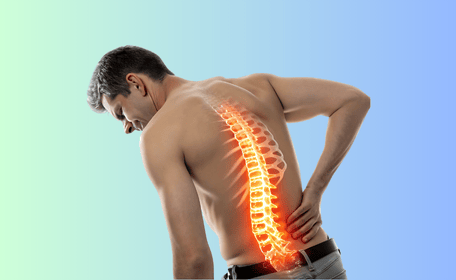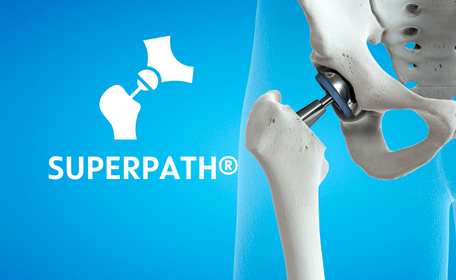
Orthopedics focuses on diagnosing, treating, and preventing diseases and injuries of the musculoskeletal system — including bones, joints, ligaments, tendons, and muscles. Modern orthopedic surgery offers both minimally invasive and complex reconstructive techniques that can significantly improve patients’ mobility, reduce pain, and prevent long-term complications. With ongoing advances in surgical technology, orthopedics today combines precision, innovation, and patient-centered care.
Types of Orthopedic and Trauma Surgery
Orthopedic and trauma surgery covers a broad spectrum of procedures, from minor arthroscopic operations to major joint replacements and complex reconstructions. Each operation is tailored to the patient’s condition, functional goals, and health status.
Recent years have seen growing interest in biological therapies, such as stem cell and growth factor applications. These methods can enhance tissue regeneration and shorten rehabilitation periods — a particularly valuable option for athletes and active individuals eager to return to their routines quickly.
Technological innovations, such as robot-assisted surgery and 3D printing, have also revolutionized orthopedics. Robotic systems allow for millimeter-level precision in implant positioning, especially in joint replacement procedures, reducing risks and improving long-term outcomes.
Arthroscopic Surgery
Arthroscopy is a minimally invasive surgical technique used to diagnose and treat joint conditions through small incisions. A miniature camera (arthroscope) provides real-time visualization of the joint, allowing surgeons to remove damaged tissue, repair ligaments, or reconstruct cartilage.
Because of its minimally invasive nature, arthroscopy reduces postoperative pain, minimizes scarring, and accelerates recovery. It is commonly used for the knee, shoulder, hip, and ankle joints, but can also be applied to smaller joints. With the integration of 3D modeling and digital preoperative planning, surgeons can now perform procedures with greater precision and lower complication rates.
Typical Indications:
- Ligament or tendon tears
- Cartilage damage
- Arthritis or osteoarthritis management
- Presence of loose bone or cartilage fragments
Contraindications:
- Active joint infections
- Severe systemic conditions (e.g., uncontrolled diabetes or heart failure)
Osteosynthesis (Fracture Fixation)
Osteosynthesis refers to surgical fixation of bone fragments after fractures using metallic implants such as plates, screws, rods, or external devices. The goal is to restore bone alignment and stability until healing occurs.
Main Techniques:
- Intramedullary locked osteosynthesis: Insertion of metal rods inside the bone canal, used mainly for long bone fractures.
- Extramedullary fixation: Plates and screws attached externally to stabilize complex fractures.
- External fixation: External frames connected to the bone via pins, often used in multiple fractures or limb-length corrections.
Modern research focuses on biocompatible materials such as titanium alloys and bioresorbable polymers, which enhance bone integration and minimize rejection. Nanotechnology is opening new frontiers in improving implant surface structure, promoting faster and stronger bone healing.
Indications:
- Open or closed fractures
- Post-traumatic bone instability
Contraindications:
- Active infections in the surgical area
- Severe systemic illness
Bone and Tissue Transplantation in Orthopedics
In complex cases, orthopedic transplantation helps restore bone or soft tissue using the patient’s own (autologous) material or donor (allogenic) grafts. These procedures are essential for repairing large defects, ligament reconstruction, or tumor-related bone loss.
Autologous Transplantation
Autografts involve harvesting tissue — such as bone or ligament — from the patient’s own body. This method minimizes rejection and promotes natural healing. However, the limited availability of donor tissue has led to breakthroughs in synthetic and bioengineered implants. Tissue engineering and 3D printing now enable the creation of customized grafts that stimulate regeneration while matching the patient’s unique anatomy.
Allogenic or Synthetic Transplantation
When patient-derived tissue is not feasible, donor grafts or advanced synthetic implants are used to fill or reconstruct large bone defects. New biomaterials integrate effectively with native bone while maintaining structural strength and biological compatibility.
Typical Indications:
- Ligament reconstruction (e.g., anterior cruciate ligament repair)
- Restoration of bone defects after fractures or tumor removal
Contraindications:
- Infectious or inflammatory processes
- Immune incompatibility (for donor grafts)
Second Medical Opinion and Telemedicine Support
Before undergoing orthopedic surgery, patients are encouraged to seek an independent medical opinion. A second evaluation by an experienced orthopedic specialist can confirm the diagnosis, suggest alternative treatment options, or identify conservative approaches that may prevent the need for surgery.
Through telemedicine platforms such as AskGermanDoc, patients can consult leading German specialists online, submit medical records securely, and receive personalized recommendations without traveling abroad. Telemedicine also supports post-surgical rehabilitation by enabling continuous monitoring and adjustment of recovery programs remotely.
Conclusion
Modern orthopedic surgery combines surgical expertise, biomedical engineering, and digital technology to deliver precise and effective treatments. Whether through minimally invasive arthroscopy, advanced fracture fixation, or innovative tissue transplantation, orthopedic specialists focus on restoring mobility and improving patients’ quality of life. A second medical opinion can help ensure that each patient receives the most appropriate, evidence-based care — safely and confidently.
Sources:
- World Health Organization (WHO) – Global Guidelines for Musculoskeletal Health and Rehabilitation (2023) – www.who.int
- Federal Ministry of Health (Bundesministerium für Gesundheit, Germany) – www.bundesgesundheitsministerium.de
- German Society for Orthopaedics and Trauma (DGOU) – www.dgou.de
- German Endoprosthetics Society (AE) – Guidelines for Major Joint Endoprosthetics (2024) – www.ae-germany.com
- European Federation of National Associations of Orthopaedics and Traumatology (EFORT) – Clinical Research and Innovation in Orthopaedic Surgery (2024) – www.efort.org
- American Academy of Orthopaedic Surgeons (AAOS) – Advances in Orthopaedic Surgery and Patient Safety (2023) – www.aaos.org
- The Lancet Rheumatology – Regenerative Medicine and Orthopaedic Surgery Trends (2024)
- European Commission – eHealth and Telemedicine in Orthopaedic Rehabilitation (2023)
- German Hospital Federation (DKG) – www.dkgev.de
- AskGermanDoc verified orthopaedic data and partner clinic reports (2024–2025)
Disclaimer: The information provided in this article is for general educational purposes only and does not replace professional medical advice, diagnosis, or treatment. Patients should always consult licensed healthcare professionals before making decisions about surgery or therapy. AskGermanDoc does not promote specific medical procedures or clinics but provides independent medical expertise to support informed healthcare decisions.